
Top Highlights

Trip Duration
5 to 10 days

Max Altitute
4,500 meters (Mardi Himal Base Camp

Best Season
Spring (Mar–May), Autumn (Sep–Nov)

Trip Grade
Moderate

Group Size
1-30

Trek start-Ending place
Pokhara -Siding

Meal
B.L.D

Region
Annapurna Region
Highlight
- Count yourself in for a peaceful off-the-beaten-path trek to the Mardi Himal trekking trail.
- A perfect opportunity to stand face-to-face with the majestic Mardi Himal, often called the hidden gem of the Annapurnas.
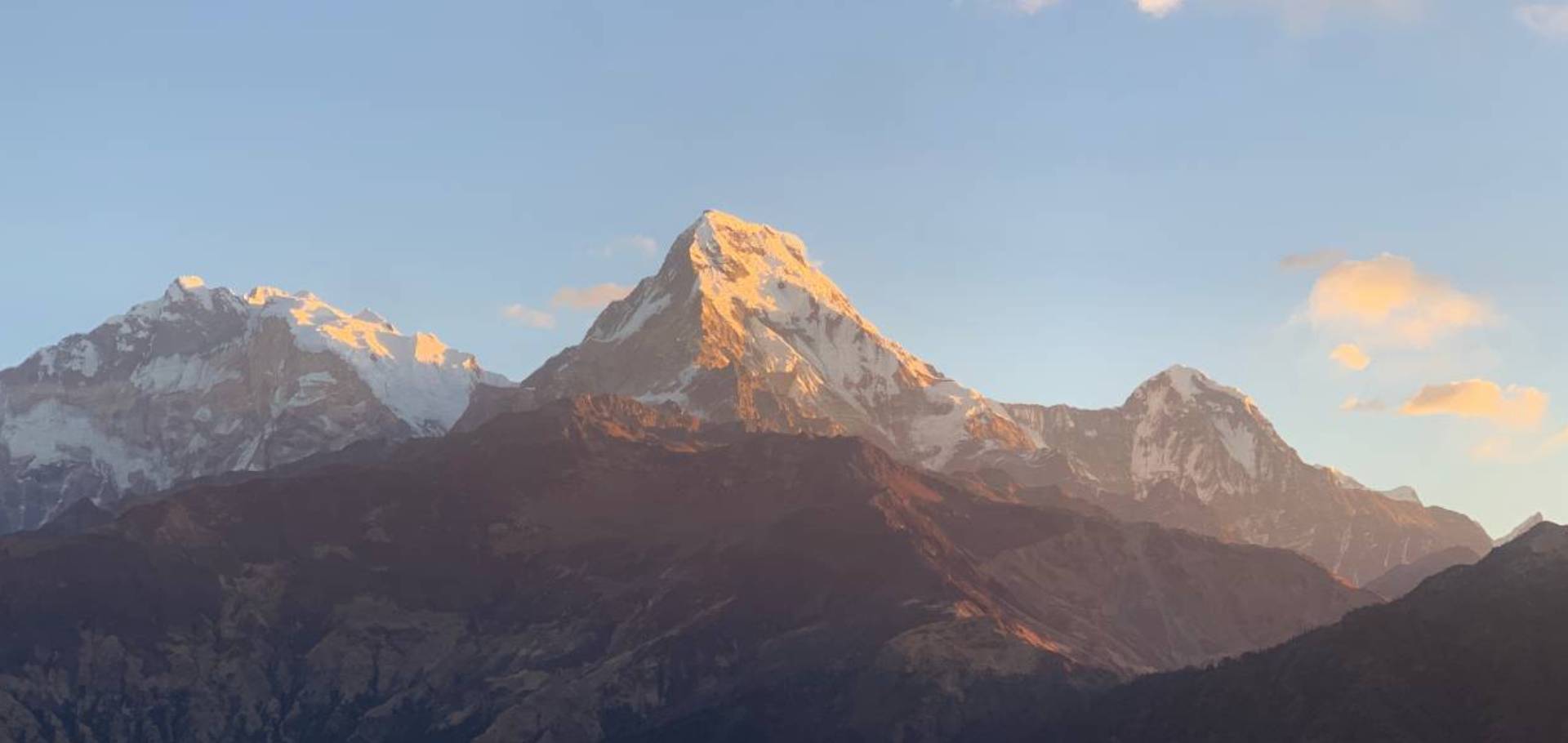
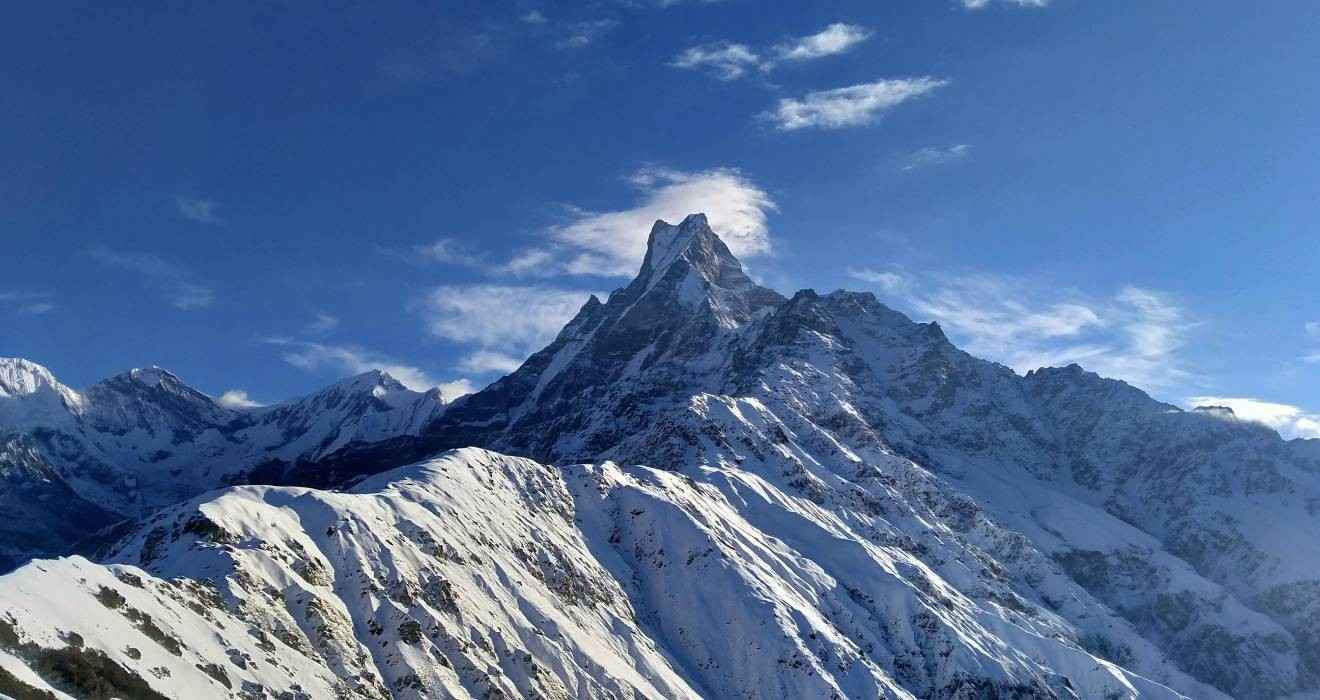
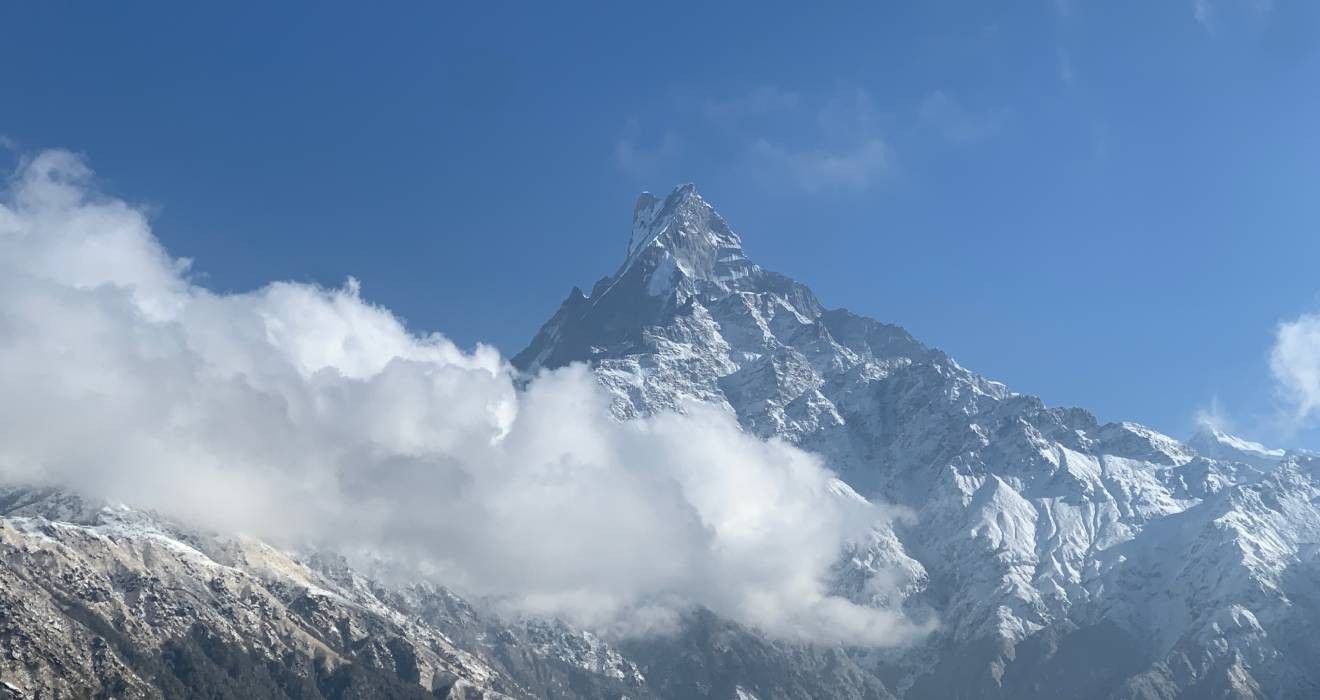
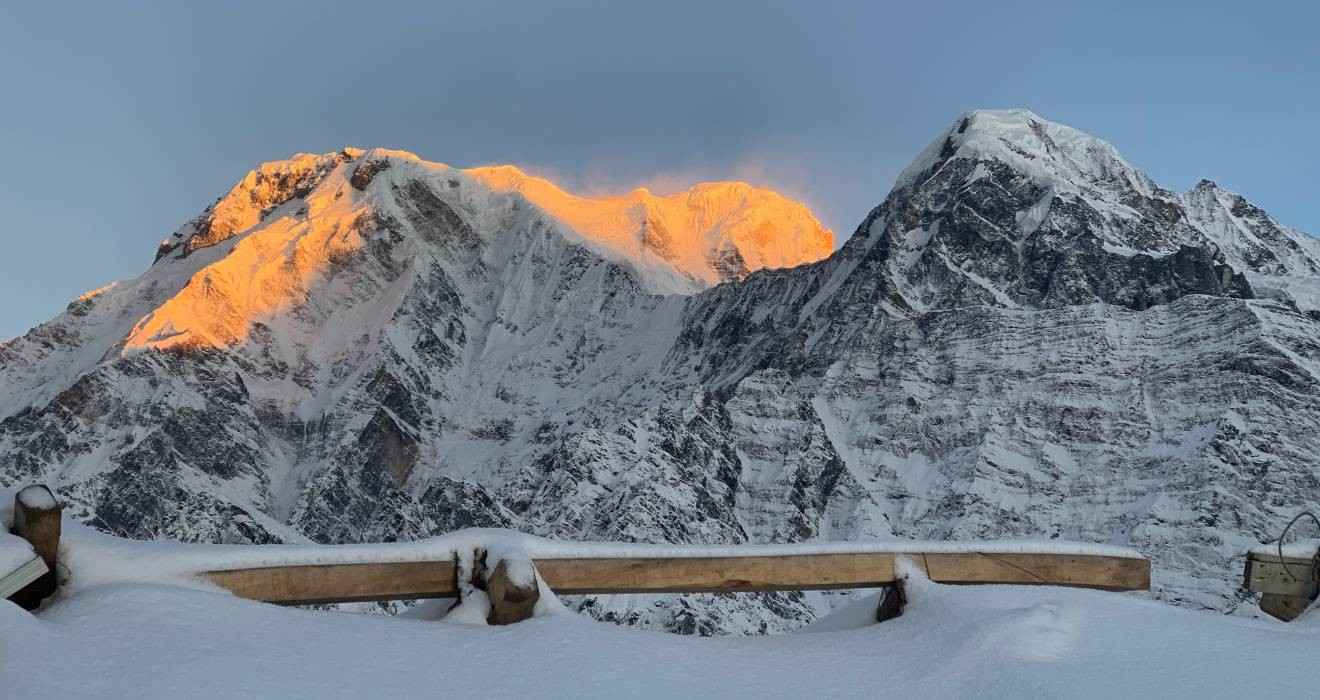
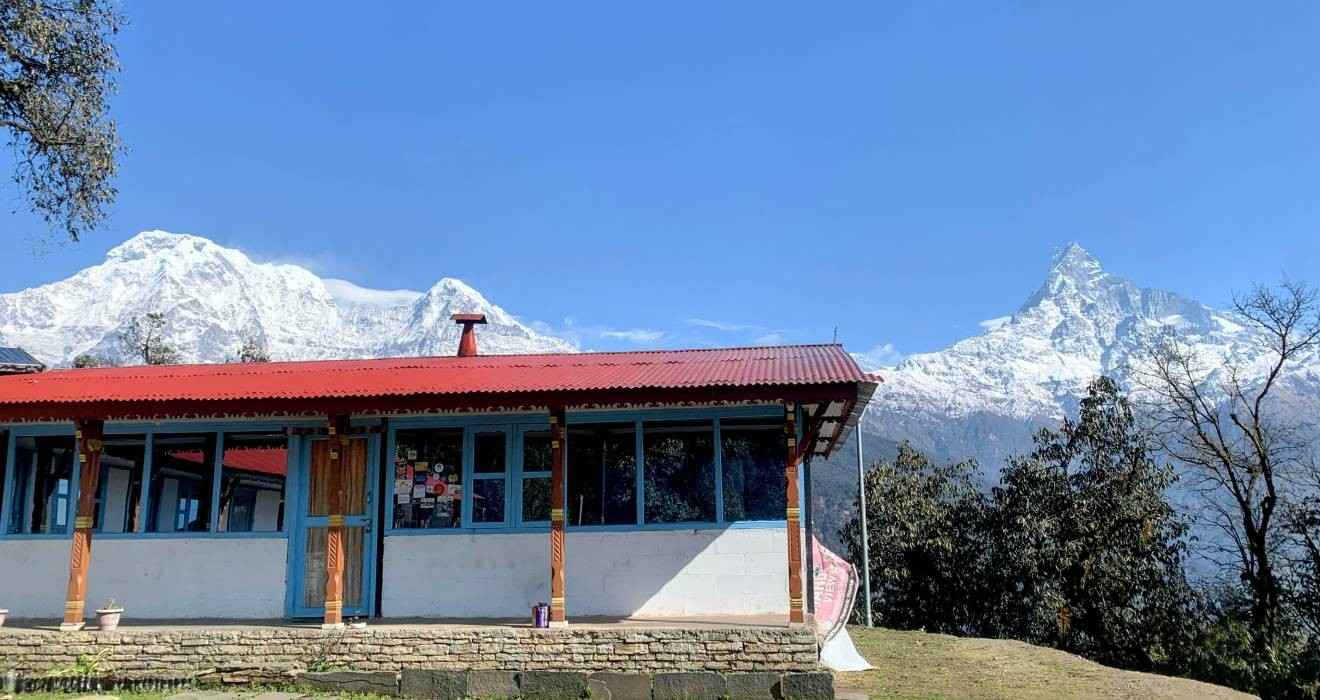
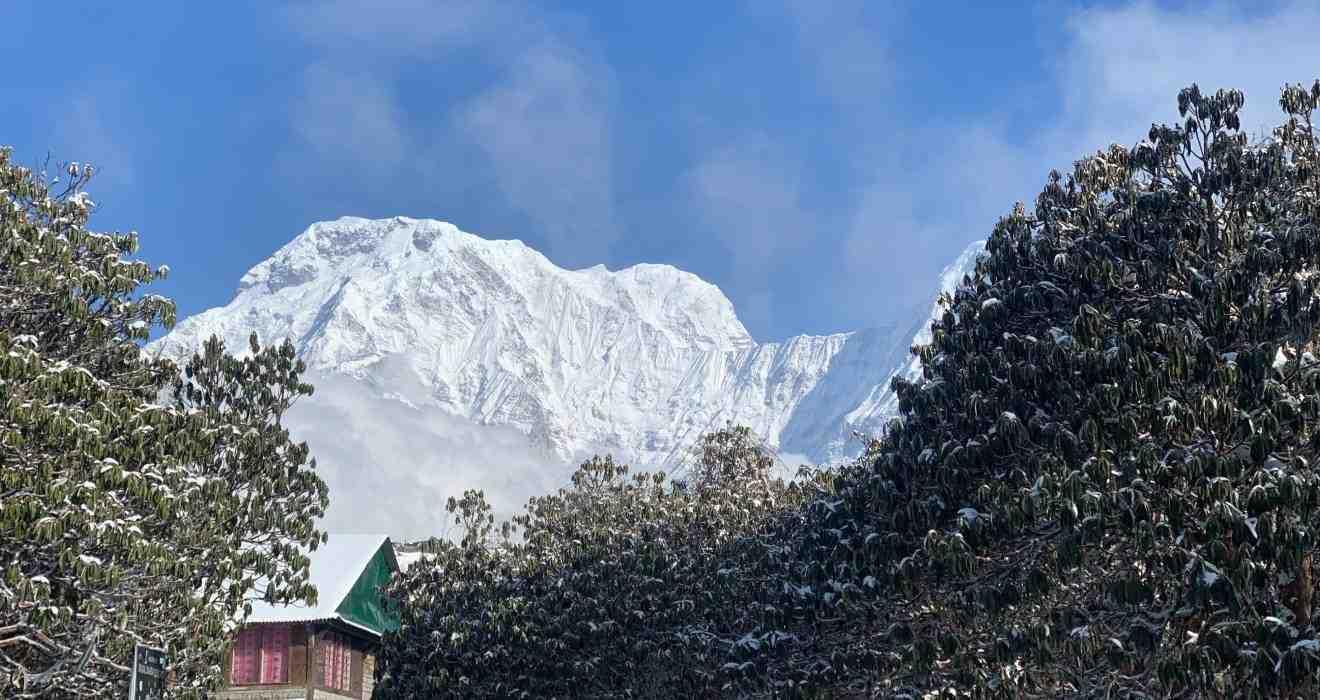
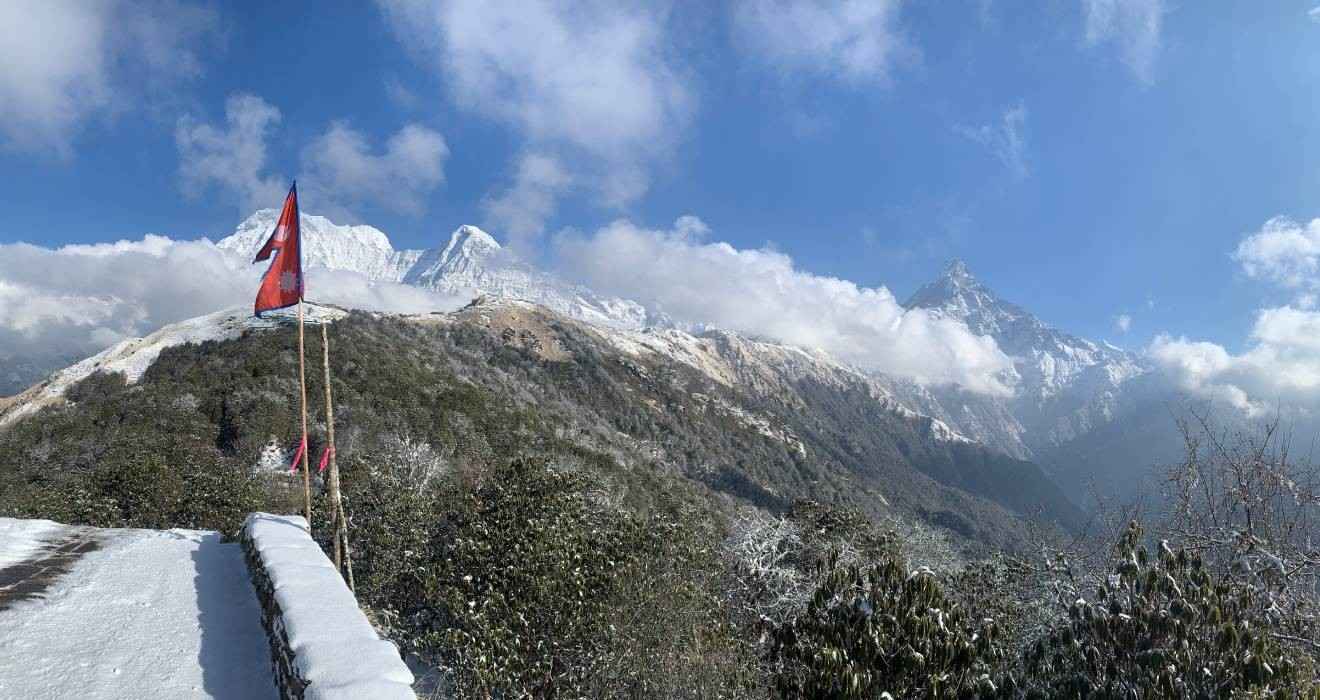
- Witness 360-degree panoramic views of Machapuchare (Fishtail), Annapurna South, and Hiunchuli throughout the trek.
- Walk through a diverse landscape that includes lush forests, alpine meadows, rocky ridges, and snowy highlands.
- Experience warm hospitality and authentic culture in traditionally settled villages, like Kande, and different camps.
- A chance to experience the thrill of a high-altitude trek without long-term commitments within just over a week.
- Spot Himalayan birds, langurs, and if you’re lucky, the elusive Himalayan monal (Nepal’s national bird).
- Spend a peaceful, relaxing, and beautiful day in Pokhara while returning from the Mardi Himal Trek.
Overview
Do you have any plans to stand face-to-face with the Himalayas in just a few days of journey? Well, the Mardi Himal Trek is your ticket to a rather quiet, peaceful, and less crowded way to do so. This hidden gem, often called the “silent trail of the Annapurnas,” is a thrilling adventure packed into just over a week, perfect for those who want the big mountain experience in a shorter timeframe.
Himalayan Ice Cap's 8-day Mardi Himal Trek begins with a scenic drive from Kathmandu to Pokhara, which is a mood setter for the walks we need to do further. From Pokhara, we drive to Kande, and that is where the actual trek begins. Through the lush rhododendron forests, peaceful ridgelines, and traditionally settled villages, we make our way towards the top. We start experiencing the crisp Himalayan air right from the second day when we reach Pitam Deurali.
Gradually, we ascend to the Mardi Himal Base Camp (4500 meters) through Rest Camp (8,530.184 ft/2,600 m) and High Camp (3,550m/11646.98ft). We can witness that the trail from Pitam Deurali (6,889.764 ft/2,100 m) takes a different turn as we climb above the tree line, opening into raw, alpine wilderness. Every step in this trail offers adventure as Machapuchare (6,993 m/22,942.91 ft), Annapurna South (7,220 m/23,687.66 ft), and Hiunchuli (6,441 m/21131.89 ft) rise so close they feel within arm’s reach. Standing at Base Camp, you’ll find yourself surrounded by giants, which also offers a moment of awe that makes every step worth it.
After soaking in the best experience at the Mardi Himal Base Camp at 4,500m/14763.78ft, we descend and return to Kathmandu. In that verge, we descend through several villages, including Badal Danda, Siding, Pokhara, and then to Kathmandu.
What makes Mardi Himal so special is its balance of adventure and serenity. It’s challenging enough to feel like a true Himalayan expedition, yet short and accessible for trekkers of all levels. Furthermore, it gives you quiet trails, intimate encounters with nature, and that unforgettable moment of standing beneath some of the tallest peaks on earth.
Why Choose Himalayan Icecap?
When you are planning to trek in Nepal, just hiring a guide might not be enough. You actually need a partner or someone who knows the trail like home and understands what you need to make the journey memorable.
The Himalayan Ice Cap team is made up of passionate locals who’ve walked these mountains countless times and can share stories, culture, and shortcuts that you won’t find in any guidebook. Here's why choosing the Himalayan Ice Cap would be the best decision you make for the Mardi Himal Trek:
- Local Expertise: Our guides are born and raised in the Himalayas, bringing unmatched knowledge and insider stories.
- Authentic Connections: From teahouse meals to village encounters, we create experiences rooted in culture, not just sightseeing.
- Safety First: Proper planning, well-trained guides, and reliable support teams ensure you’re always in safe hands.
- Sustainable Travel: We trek responsibly, respecting local communities and protecting the mountains we call home.
- Personalised Adventures: We tailor the trek to your pace, comfort, and curiosity so every step feels rewarding.
Permits for the Mardi Himal Trek
Before you lace up your boots and head into the Mardi Himal Trekking trail, you must also obtain a couple of permits required for this trek. These permits work as your gate pass in several places throughout the trail.
Here are the permits that you need to obtain for the Mardi Himal Trekking package:
- Annapurna Conservation Area Permit (ACAP): As the trail goes through the Annapurna Conservation Area, this permit is completely non-negotiable.
- Trekkers' Information Management System (TIMS): The TIMS Card registers your details so that, in case of emergencies, authorities can quickly locate and assist you.
With both of these permits in hand, you can freely trek on the Mardi Himal Trekking map with safety ensured. Also, let us tell you something! If you book the package with Himalayan Ice Cap, our team will prepare the permits for you before you start the trek to Mardi Himal.
Book Mardi Himal Trek with Himalayan Ice Cap!
Are you ready to head out to one of the easy yet adventurous trekking journeys in Nepal? In that case, we recommend you book the Mardi Himal Trek with Himalayan Ice Cap for the best experience. With decades of experience, our team is best equipped to ensure your adventure, safety, and insights.
If you want to book the package, just click on the BOOK NOW button on the right side of the package details. Besides, if you have any questions or queries, you can also contact us via WhatsApp or send us your queries via [email protected]. We at Himalayan Icecap are more than happy and eager to help you achieve the best adventures.
Itinerary
Today, we first go for a quick drive from Pokhara to Kande, which only takes about an hour to complete. This section of the route is generally well-paved, taking us to a lively starting point surrounded by rolling hills. From here, we begin the trekking journey in the Mardi Himal Trekking map. This short yet adventurous walk begins gently, winding through stone steps, terraced farmlands, and small local villages. Besides, let us also tell you that the trail from Kande to Pitam feels alive with the sound of birds and the warmth of rural life.
By the time we reach Pitam Deurali, the sweeping views of lush green hills and glimpses of snow-capped Annapurna range welcome us. Besides, the village itself offers a cozy atmosphere, perfect for resting and soaking in the fact that your Mardi Himal adventure has truly begun.
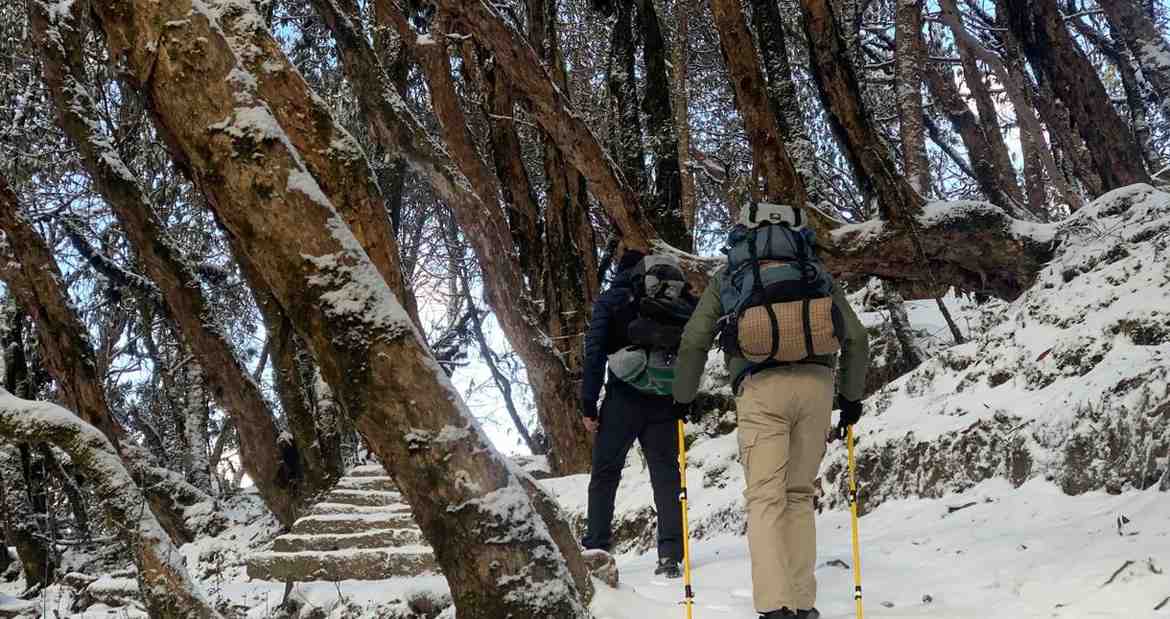
After having a fulfilling breakfast, our guides take you on a walk from Pitam Deurali to the Rest Camp. This section of the Mardi Himal Trekking trail takes us deeper into the forested trails of the Annapurna region. Besides, the path gradually climbs with oak and rhododendron forests surrounding us. Furthermore, the crisp mountain air and occasional openings in the trees keep the hike both serene and exciting.
It takes about 4 to 5 hours for us to reach the Rest Camp that sits at an altitude of 2600 meters above sea level. Surrounded by the breathtaking views of Machhapuchhre (Fishtail Mountain), this village offers lovely scenes, traditional houses, and very friendly locals welcoming you with all their hearts. Take your time to stroll around the village before returning to the hotel for dinner and an overnight stay.
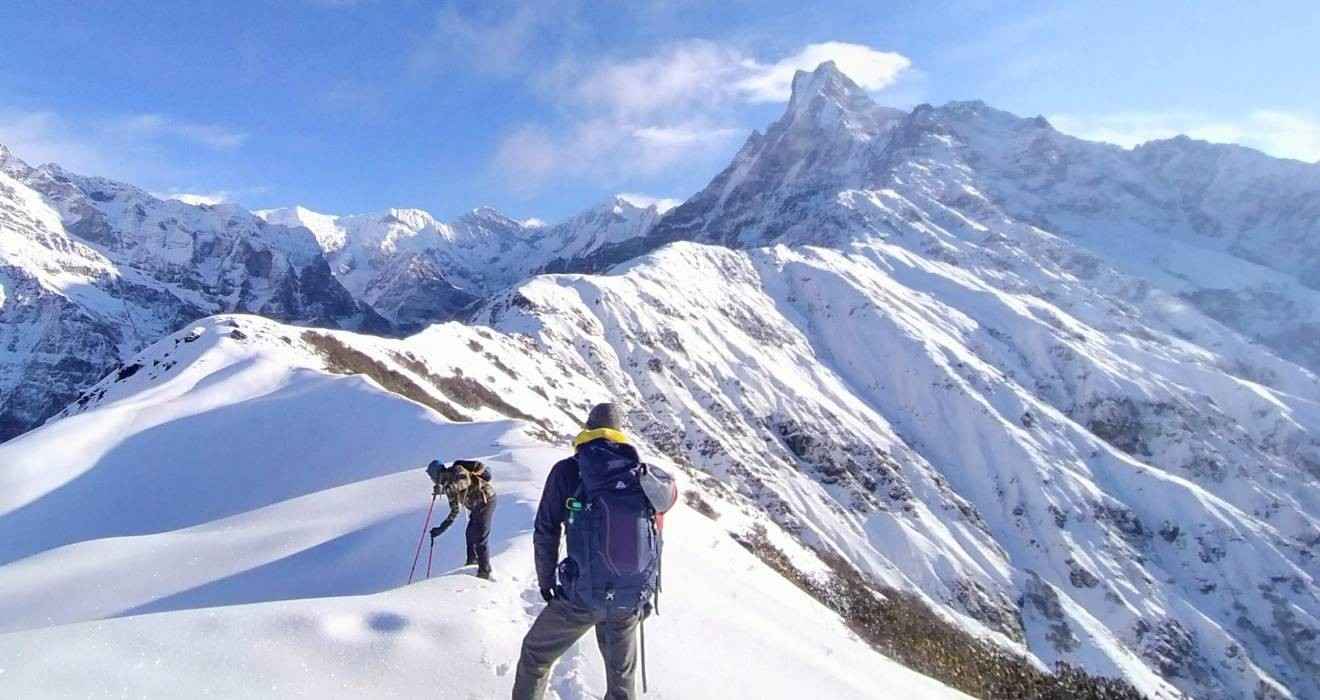
Another day calls for another adventurous walk on the Mardi Himal trekking map. With a gradual increase in altitude, we get to experience or witness a completely different part of the world. We can also notice the vegetation thinning, giving way to alpine landscapes with stunning ridgelines. Every step upward feels like you’re drawing closer to the heart of the Himalayas.
High Camp, located at an altitude of 3550 meters, comes after we walk for about 4 to 5 hours from the Rest Camp. This point is also one of the major highlights of the entire Mardi Himal Trekking map. You know why? Well, because this viewpoint offers majestic glimpses of Mardi Himal, Machapuchare, and Annapurna South. Overnight stay and dinner will be arranged in a hotel at High Camp.
Finally, we have arrived on the most-awaited day of the Mardi Himal Trekking package. Yes, today, we will ascend to the Mardi Himal Base Camp (4500 meters). Our walk towards the Mardi Base Camp begins early in the morning, so we request all the trekkers to wake up early and get ready. The trail to Mardi Himal Base Camp starts steep and demanding, climbing higher with every turn, but the views keep pushing us forward. After ascending for some time, we will finally stand at Mardi Himal Base Camp.
Standing at 4,500 meters is nothing short of surreal. The air is thin, the silence is deep, and the peaks look so close it feels like you could touch them. You’ll want to pause, breathe it all in, and let the moment sink. After spending time here, the trail leads you back down to Badal Danda, where you’ll be rewarded with stunning sunset views above a blanket of clouds. It’s the perfect way to close a day you’ll never forget.
After the high-altitude thrill of the last few days, today brings a gentler but equally rewarding descent. The trail winds down through rhododendron and oak forests, with birdsong filling the air and occasional mountain glimpses peeking through the trees. It feels calmer here, almost like nature is guiding you back to the world below.
By the time we reach Siding, we will experience a significant shift in atmosphere. Besides, this beautiful village, located at an altitude of 1720 meters, offers a slice of rural life, with warm hospitality and peaceful surroundings. After days of high ridges and rocky trails, the simplicity of Siding feels like a well-earned retreat where you can rest your legs and enjoy authentic village charm.
Today, we returned to Pokhara from Siding in a shared jeep, which takes about 3 hours. This bumpy ride takes us through rolling hills, terraced fields, and small villages, where everyday life unfolds in its unhurried rhythm.
Reaching Pokhara offers us a chance to relax and rest in a peaceful and serene environment. Still in the Annapurna region, still far from the urban chaos, and close to the hills and serenity. Take your time to relax and refresh yourself, stroll around the lakeside, and enjoy the nightlife before returning to Kathmandu the next day.
Cost Include
- Kathmandu Airport drop-off and pickup.
- Transportation from Kathmandu to Pokhara by return tourist bus
- Private car from Pokhara to the Kande Trekking Starting Point
- Licensed holder trekking guide
- Annapurna Conservation Area Permit (ACAP) Fee
- 3 Times Meal During The Trek (B.L.D)
- All government taxes and Service Fee
Cost Exclude
- International flights
- Nepal visa fees
- Travel insurance
- Personal trekking equipment
- Hot showers, Wi-Fi, snacks, and drinks
- Tips for guides and porters
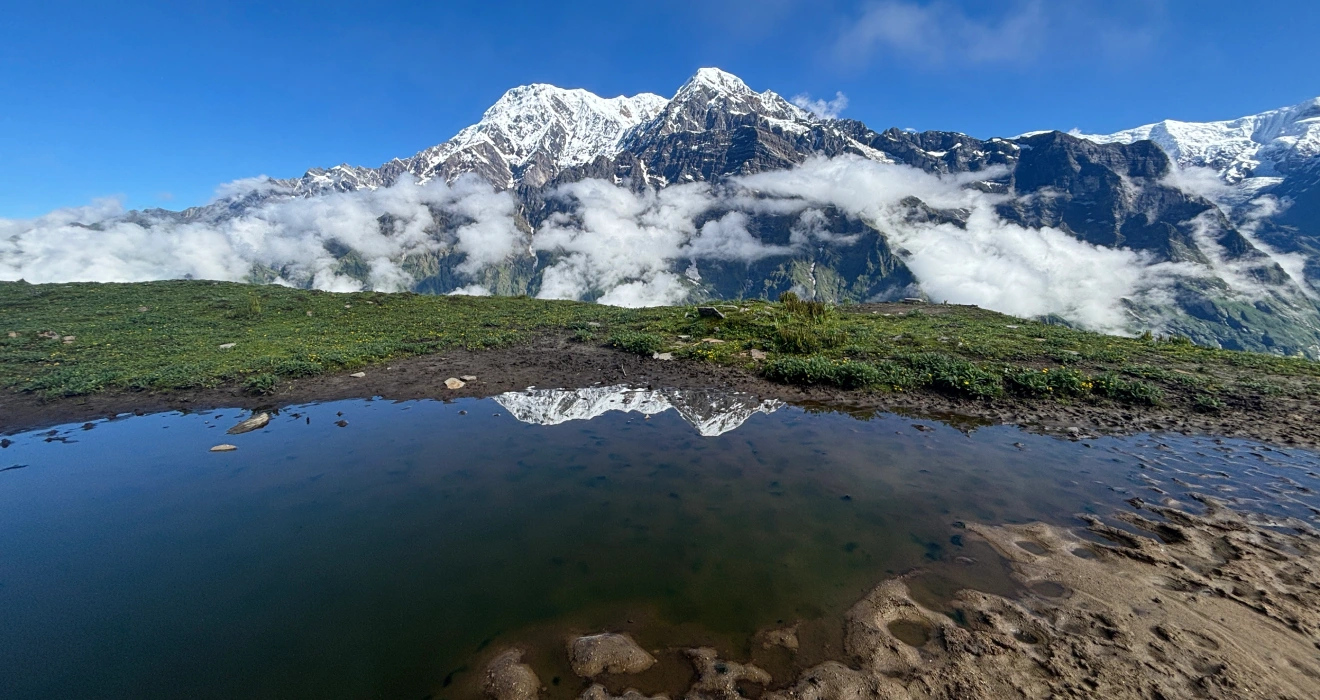
Photo Gallery
More Info
Is Travel Insurance Required for the Mardi Himal Trek?
The trek to Mardi Himal Base Camp is sometimes unpredictable due to high altitude, unforeseen weather conditions, sudden weather changes in both Kathmandu and the trekking region, or many other factors. In such cases, travel insurance can play a very important role in keeping you safe from extra expenditure.
Travel insurance is not mandatory, but the Himalayan Ice Cap team highly recommends that all trekkers obtain one. Here are some of the advantages of travel insurance in the Mardi Himal Trek:
- Covers medical emergencies: Travel insurance can take care of hospital bills and evacuation costs if you get sick or injured during the trip.
- Altitude sickness support: Insurance with high-altitude coverage ensures you’re safe if acclimatization doesn’t go as planned.
- Helicopter evacuation included: In remote areas, the fastest way down is often by chopper; insurance makes it affordable.
- Protects your gear and luggage: Lost or delayed baggage during flights? You can claim for essentials and replacements.
- Trip cancellations and delays: Weather in the Himalayas can change fast; insurance covers non-refundable costs.
Besides, trekkers and their loved ones can also achieve peace of mind throughout the Mardi Himal Trek, as many travel insurance companies also provide 24/7 support.
Best Season for the Mardi Himal Trek
Here's what you need to know: the Mardi Himal Trek is doable throughout the year, but Spring (March to May) and Autumn (September to November) seasons offer the best experience. These seasons also sit as the favorite trekking seasons for a lot of experienced trekkers.
During these seasons, the entire trail comes alive with rhododendrons blooming in every shade of red and pink, snowy peaks sparkling like diamond tops, and greenery all around. Besides, trekkers can also expect clear skies. All these factors make trekking comparatively easier and more doable for everyone, whether professionals or first-timers.
Besides, if you want a little extra adventure and thrill, you can also go for this trek in the Winter season (December to February). However, keep in mind that the trail can be chilly, especially after High Camp during this time. The good sides? Well, as winter is off-season, you will be in for a quiet and peaceful walk. Fewer trekkers means more adventure and even more experience for us.
Now, the monsoon (June to August) is the tricky one. Expect muddy trails, slippery paths, and yes, leeches. But here’s the thing: the hills are greener than ever, waterfalls gush everywhere, and hardly any trekkers are around. If you love offbeat adventures, it could be your season. So, basically, spring and autumn are the best seasons for the Mardi Himal Base Camp Trek, but the Himalayan Ice Cap has openings throughout the year.
Mardi Himal Trek Difficulty Level
The Mardi Himal Trek is considered to be a moderately difficult trekking route in the Annapurna region. That makes it not mandatory for someone to be a hardcore mountaineer to pull it off. The trails are well-marked and relatively short compared to the longer treks in Nepal, but there are plenty of steep climbs, rocky steps, and uphill pushes that will get your heart racing.
Trekkers need to be ready to walk for about 4 to 6 hours almost every day. The biggest challenge comes from the altitude as you climb past 3,500m towards High Camp and then Mardi Base Camp at 4,500m. This is where the air gets thinner, and you’ll likely feel the effort more than you expect. But the good news is the trek builds up gradually, giving your body time to adjust.
One thing to know is that you do not need to have technical climbing skills, ropes, or crampons for the Mardi Himal Trek. However, we do recommend that trekkers invest in a good pair of trekking boots and be prepared with some extra stamina. Also, a strong mindset and physical fitness can do wonders.
How to Prepare for the Mardi Himal Trek?
- Start training early: Do regular hikes, walks, or stair climbs to build stamina for uphill sections.
- Focus on cardio and strength: Jogging, cycling, and leg exercises like squats help prepare your body for trekking.
- Practice carrying a backpack: Train with some weight on your back to get used to trekking with your gear.
- Stay hydrated and eat well: Good nutrition and hydration before and during the trek keep your energy levels steady.
- Get used to walking on varied terrain: Practice on uneven trails or hills if possible, since the trek isn’t just flat paths.
- Build mental resilience: There will be moments of fatigue, so being positive and patient makes a huge difference.
- Pack the right gear: Comfortable boots, layered clothing, and essentials like trekking poles will be lifesavers on the trail.
What to Pack for the Mardi Himal Trek?
Packing for the Mardi Himal Trek is all about being light but smart. The weather changes fast, the trails can be demanding, and comfort matters more than style. Proper planning, along with smart packing, can do wonders for anyone going on the Mardi Himal Trekking adventure.
Here's what we recommend you pack for the Mardi Himal Trek:
Clothing
- 2–3 moisture-absorbing T-shirts (long and short sleeves)
- 2 thermal base layers (top and bottom)
- 1–2 fleece jackets or pullovers
- 1 down jacket (lightweight but warm)
- 1 waterproof/windproof shell jacket
- 2 pairs of trekking pants (quick-dry)
- 1 pair of warm trekking trousers for evenings
- 3–4 pairs of quick-dry underwear
- 3–4 pairs of trekking socks (plus 1 warm wool pair)
- 1 set of comfortable clothes for teahouse evenings
Footwear
- Sturdy, broken-in trekking boots
- Lightweight camp shoes or sandals
- Extra laces (just in case)
Accessories
- Sun hat or cap
- Warm beanie or wool hat
- Buff or neck gaiter
- Lightweight gloves (plus insulated gloves for higher altitudes)
- Sunglasses with UV protection
Trekking Gear
- Daypack (30–40L) with rain cover
- Trekking poles
- Headlamp with spare batteries
- Refillable water bottles (at least 2L total)
- Water purification tablets/filter
- Dry bags or zip-lock bags for waterproofing gear
Toiletries and Health
- Sunscreen (SPF 30+)
- Lip balm with SPF
- Hand sanitizer
- Wet wipes and tissues
- Toothbrush, toothpaste, biodegradable soap
Personal medications
- Basic first-aid kit (band-aids, blister pads, painkillers, antiseptic cream)
- Gadgets and Extras
- Power bank (solar charger optional)
- Camera or GoPro with extra batteries
- Phone with offline maps
- Snacks/energy bars
- Notebook/journal or Kindle
- Lightweight travel towel
Food and Accommodation
Setting off on the Mardi Himal Trek does not just mean walking through breathtaking landscapes. Besides, it also means stepping into the rhythm of mountain life. Along with amazing landscapes and spectacular views of the mountains, trying some authentic food and staying in traditional households or homestays also count.
Food in Mardi Himal Trek
One of the highlights is the simple but hearty meals you’ll enjoy along the way. The staple is Dal Bhat: steamed rice, lentil soup, and seasonal vegetables, which keeps you energized and comes with endless refills.
Most teahouses also serve noodles, fried rice, pasta, soups, pancakes, and omelets, offering a mix of Nepali and familiar dishes. The higher you climb, the more limited the menus get, but meals remain warm and comforting. Snacks like chocolate or energy bars are worth carrying from Pokhara, since prices rise with altitude.
Accommodation in Mardi Himal Trek
You’ll stay in cozy, family-run teahouses, which are a big part of the adventure. Rooms are simple, usually with twin beds and basic bedding and blankets. Don’t expect luxury, but do expect genuine warmth.
Dining halls with wood stoves become the heart of the evening, where trekkers swap stories over tea. Some places may charge extra for hot showers, WiFi, or charging electronics, especially at higher altitudes. It’s all part of the charm, giving you a true taste of the mountains.
Transportation during the Mardi Himal Trek
Just like the Mardi Himal Trek, getting to its starting point is an adventure in itself. The journey begins with a drive from Kathmandu to Pokhara by bus. However, if you want, you can also take a domestic flight from Kathmandu to Pokhara, which takes about 25 minutes. Talking about the bus drive, it takes about 6 to 7 hours.
From Pokhara, we take a shared or private jeep to Kande, which takes about 1 hour to complete. While returning from the trek, we drive back from Siding to Pokhara by jeep and then to Kathmandu by bus or flight. The Himalayan Ice Cap team ensures safe vehicles driven by professional and seasoned drivers.
Other Facilities
Even though the Mardi Himal Trek takes us deep into the heart of the Annapurna region, the trekkers will not have to cut off from comfort or convenience. With significant development in infrastructure, this trekking route ensures both safety and enjoyment for the trekkers.
Most teahouses along the route offer basic amenities like electricity for charging devices, though you might need to pay a small fee. Wi-Fi is available in several villages (especially up to Low Camp or Forest Camp), but the connection can be patchy as you gain altitude, a good reason to unplug and soak in the views. Hot showers are also available in most places for a few extra rupees, using either gas or solar heating.
For communication, Nepal Telecom (NTC) and Ncell networks work decently in lower sections, though expect weak signals higher up. You’ll also find clean drinking water refills, first aid support, and even small shops selling essentials like snacks, batteries, and toilet paper.
Let us tell you that ATMs are not available at higher altitudes. Therefore, we recommend all trekkers to carry some cash (NPR) right from Kathmandu or Pokhara before heading to the trek.
Trek Safety & Altitude Considerations
The Mardi Himal Trek might be one of the shorter and more accessible treks in the Annapurna region, but safety and altitude awareness are still key to enjoying it to the fullest. The trail takes us to an altitude of 4500 meters above sea level, where the air gets thinner, causing mild altitude symptoms if you rush the ascent.
We recommend that trekkers walk at a slow pace, drink enough water, and avoid consuming any alcoholic beverages. Besides, if you start feeling dizzy, nauseous, or unusually tired, let your guide know immediately. They will decide whether you need some rest or if you need to return. Furthermore, obtaining travel insurance that covers high-altitude trekking and emergency evacuation is a must, as helicopter rescues can be expensive.
FAQ

Anil Tamang
Tour Manager