
Annapurna Region Trekking: The Complete Guide for 2026/27
A Region That Changes With Every Step
Central Nepal's Annapurna region does something pretty special. Most treks start down in warm valleys full of rice fields and little villages, then before you know it, usually in about a week, you're dealing with proper high passes, snow, and glaciers staring you down. The whole area falls under the Annapurna Conservation Area protection. That means famous mountains like Annapurna I (8,091 m/26,545.28 feet), Dhaulagiri (8,170 m/26804.46 feet ), Machhapuchhre (6,993 m/2,294.91 feet), Annapurna South (7,220 m/23,687.66feet), and Hiunchuli (6,441 m/21,131.89 feet), plus villages where Gurung, Magar, and Thakali people carry on with normal life right along the trails, and paths that have seen foot traffic for ages.
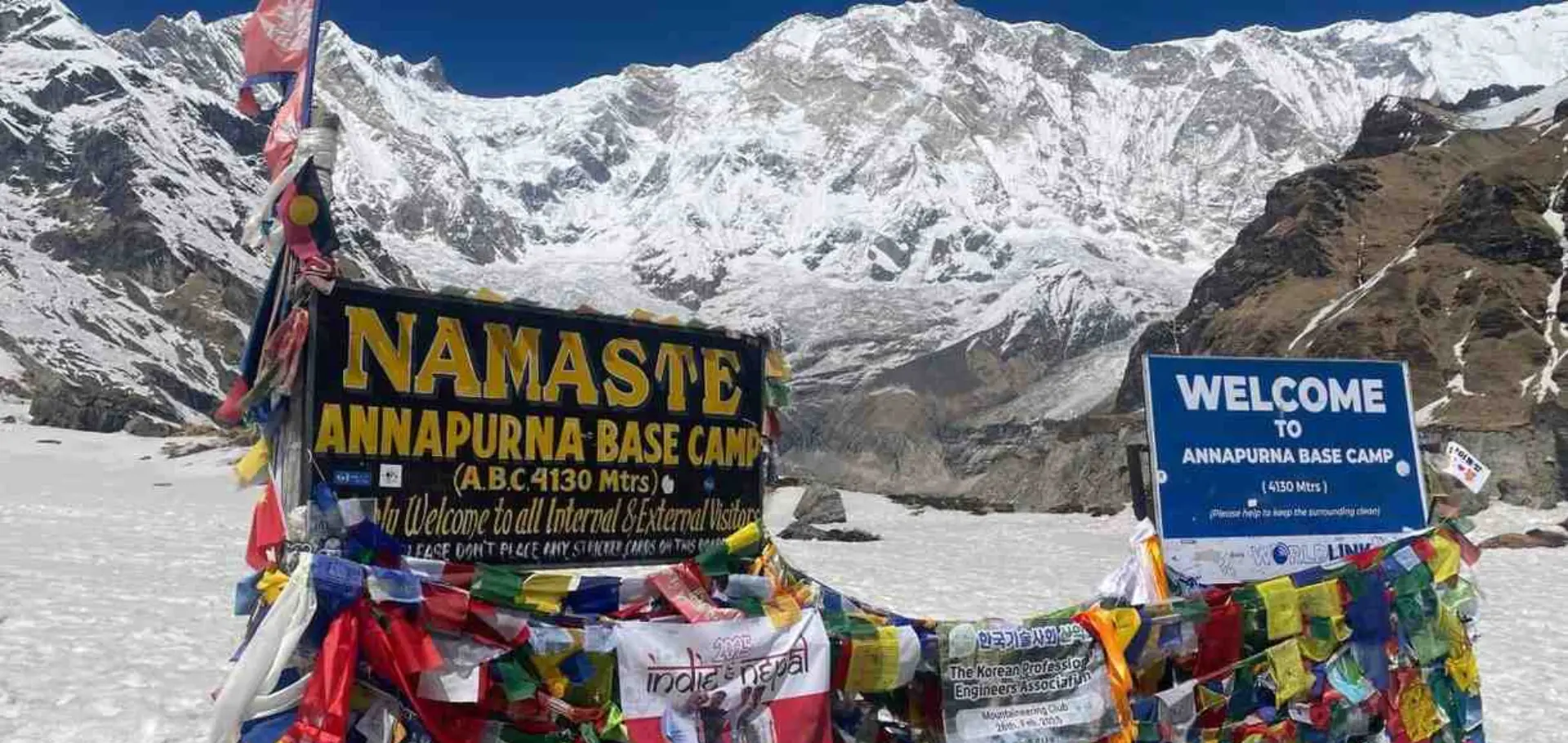
 Annapurna Base Camp Trek 13 DaysDuration: 13 Days daysPrice: $900
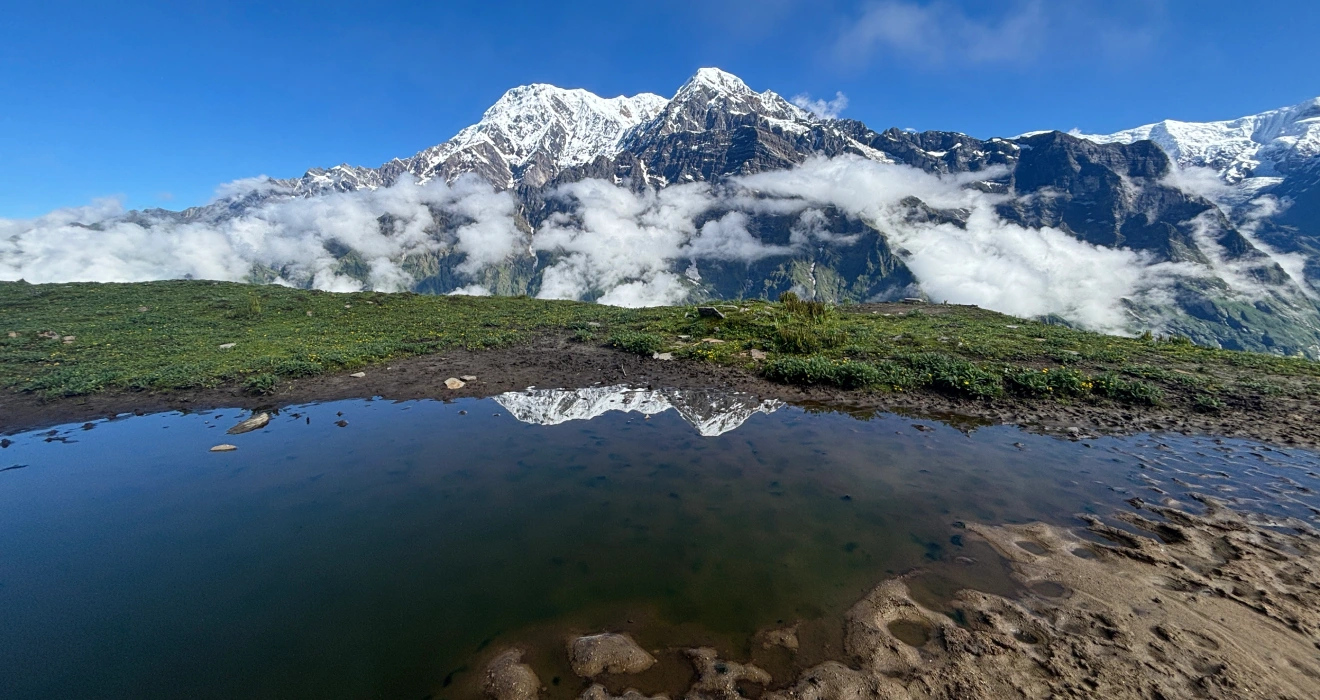
What keeps drawing folks back is the constant change without needing to be some elite climber. Day one might have you in a thick, humid forest pushing uphill. Then suddenly the trees drop away, and it's wide meadows with wind hitting hard. Later come glacial spots and those sharp passes that make you stop and just look. Villages tend to pop up exactly when you need a break – no artificial tourist traps, just a spot for tea, dal bhat, maybe a quick talk with someone local. The routes flex to match different people. New at this? Shorter ones like Ghorepani over to Poon Hill give solid views without killing you. More experienced or got extra weeks? The full Circuit or Base Camp push delivers the big Himalayan payoff. Views stay massive even when the altitude isn't crazy high.
Why Choose the Annapurna Region for Your Trek?
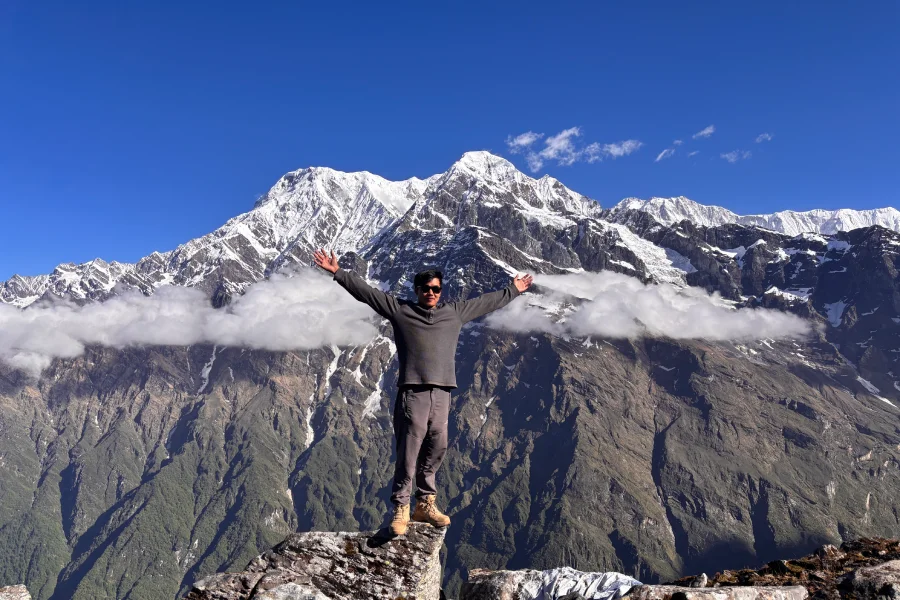
Annapurna isn’t built around one big wow moment. It’s more about how all the pieces just fit together without much forcing.
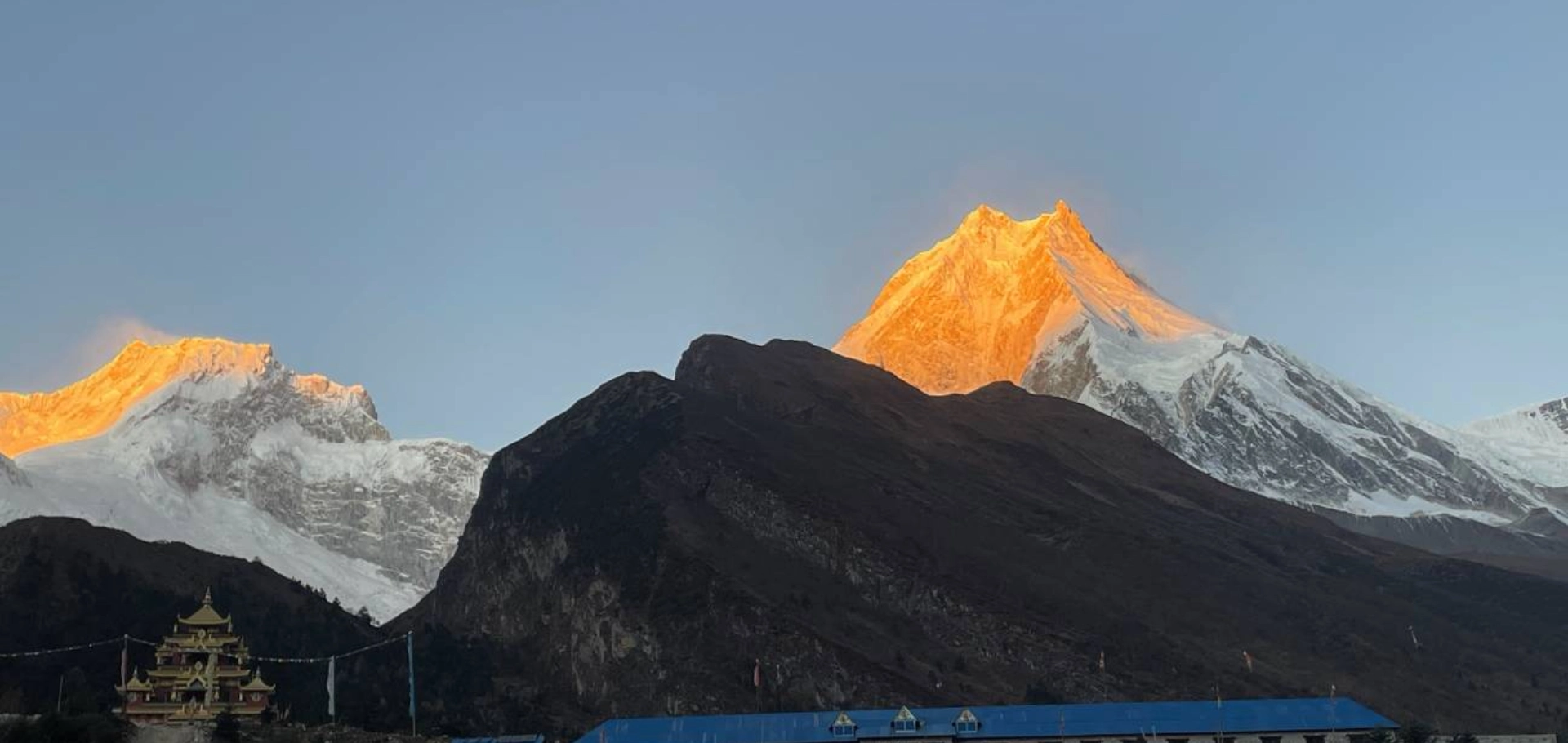
- Landscape shifts hit you at pretty much every level. You get subtropical forests thick with humidity and green, then alpine meadows opening up wide and windy, glacial valleys that feel raw and cold, and those sharp, dramatic passes that make the whole thing worth it; all in one trek if you pick the right route.
- Cultural stuff sneaks in along the way. You walk right through Gurung villages, Magar settlements, Thakali spots where people are out doing their normal routine; kids running around, folks carrying loads, cooking smells drifting over. Daily life happens next to the trail, not some separate show.
- Routes change to match what people want. Shorter hikes for scenic payoff without long commitment, or the longer high-altitude circuits if someone's after the full challenge. Annapurna bends to fit goals instead of the other way around.
- Adventure stays balanced. High enough that it feels like real achievement when you top out, but approachable so long as pacing makes sense. No need to push into crazy technical territory.
- Iconic trails get the fame for good reason, but there's space for quieter paths too, or tweaking things custom if you need something a little different.
Spectacular Himalayan Views
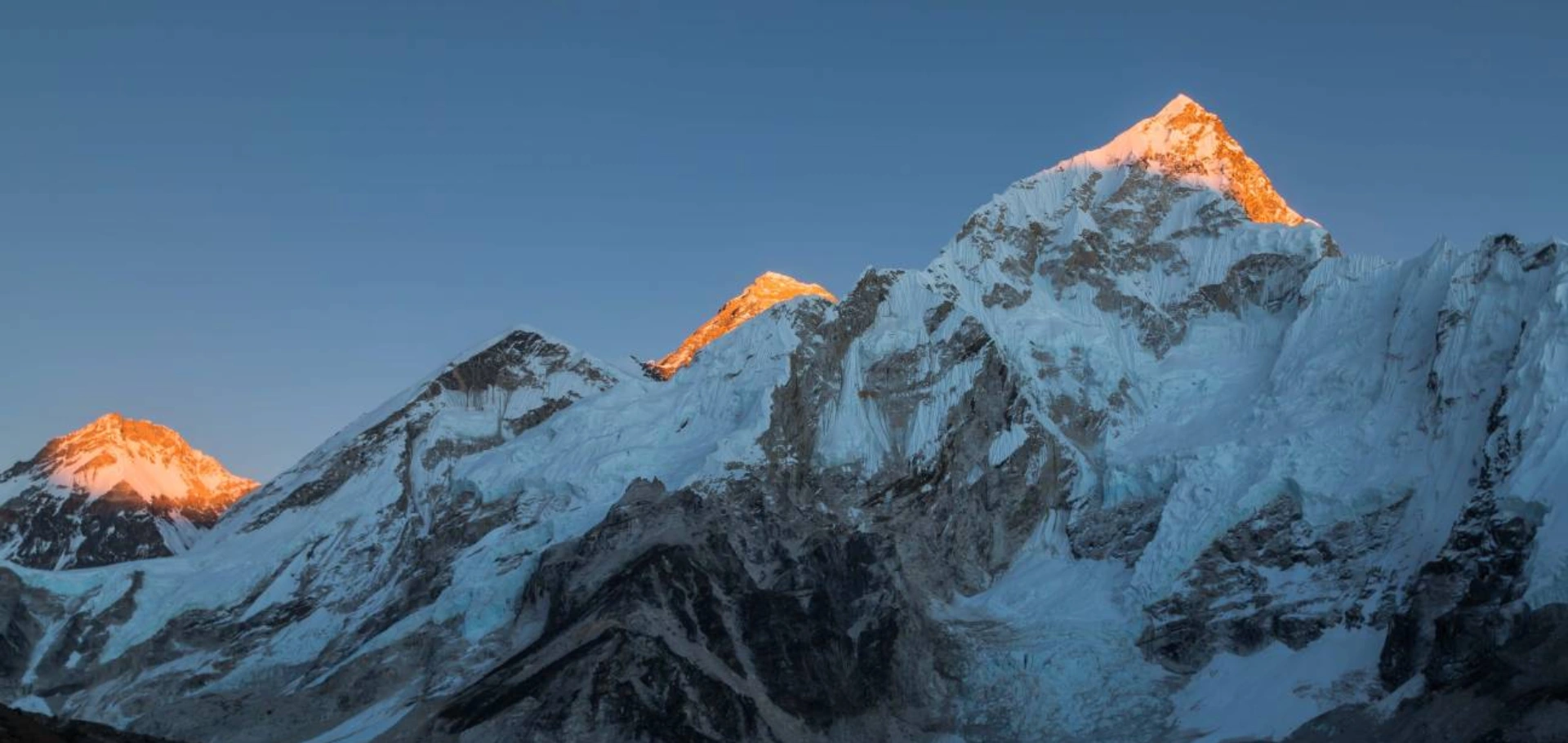
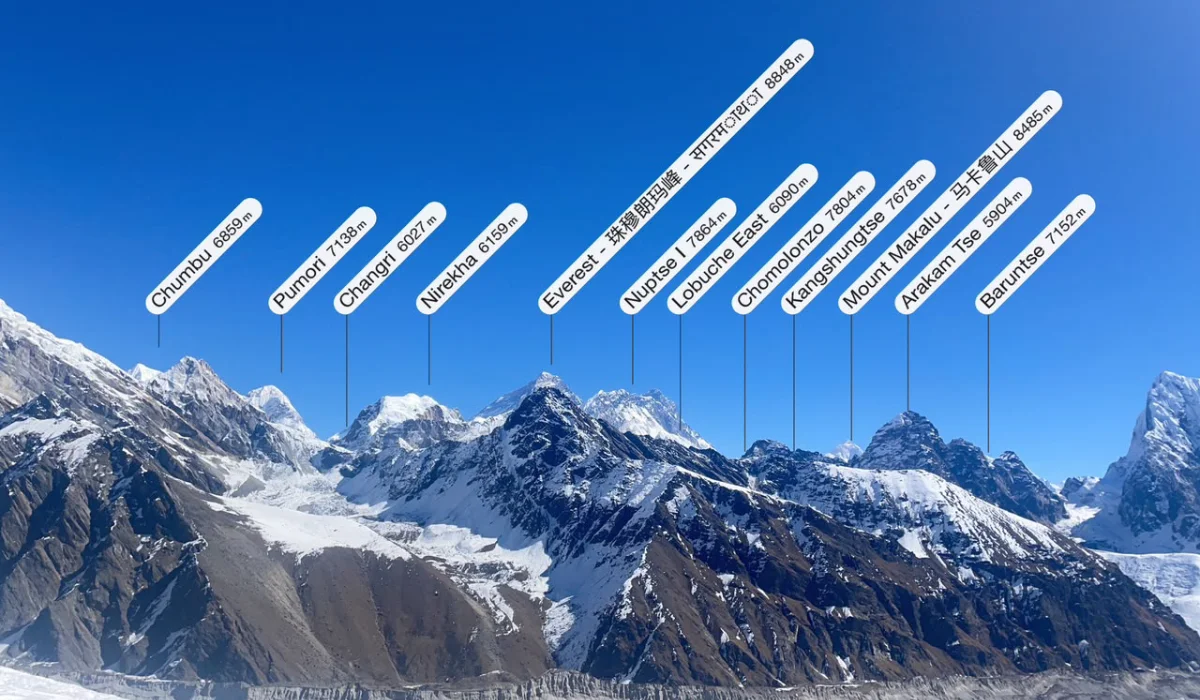
The region offers views of some of Nepal's most impressive peaks, including:
| Mountain Name | Height (meters) | Height (feet) |
| Annapurna I | 8,091 m | 26,546 ft |
| Annapurna II | 7,937 m | 26,040 ft |
| Annapurna III | 7,555 m | 24,787 ft |
| Annapurna IV | 7,525 m | 24,691 ft |
| Annapurna South | 7,219 m | 23,685 ft |
| Dhaulagiri I | 8,168 m | 26,798 ft |
| Machhapuchhre | 6,993 m | 22,944ft |
| Hiuchuli | 6,441 m | 21,133 ft |
| Gangapurna | 7,455 m | 24,461 ft |
| Nilgiri Himal (North) | 7,061 m | 32,168 ft |
| Lamjung Himal | 6,983 m | 22,911 ft |
Trekking Options in the Annapurna Region
Why Trek Annapurna with Himalayan Icecap?
- Itineraries that construct in right acclimatisation days (we do not rush it; those relaxation stops make all of the difference for staying safe and strong)
- Groups live small so the trail in no way feels crowded; greater area to breathe, chat with the organization, and in reality enjoy the quiet
- Teahouses we accept as true with yr after 12 months; clean beds, first-rate warm food, reliable blankets, and a warm shower whilst the lodge has one
- We manage each bit of the back-of-the-scenes stuff: let it be taken care of, logistics easy, ground assist equipped. No surprises for you.