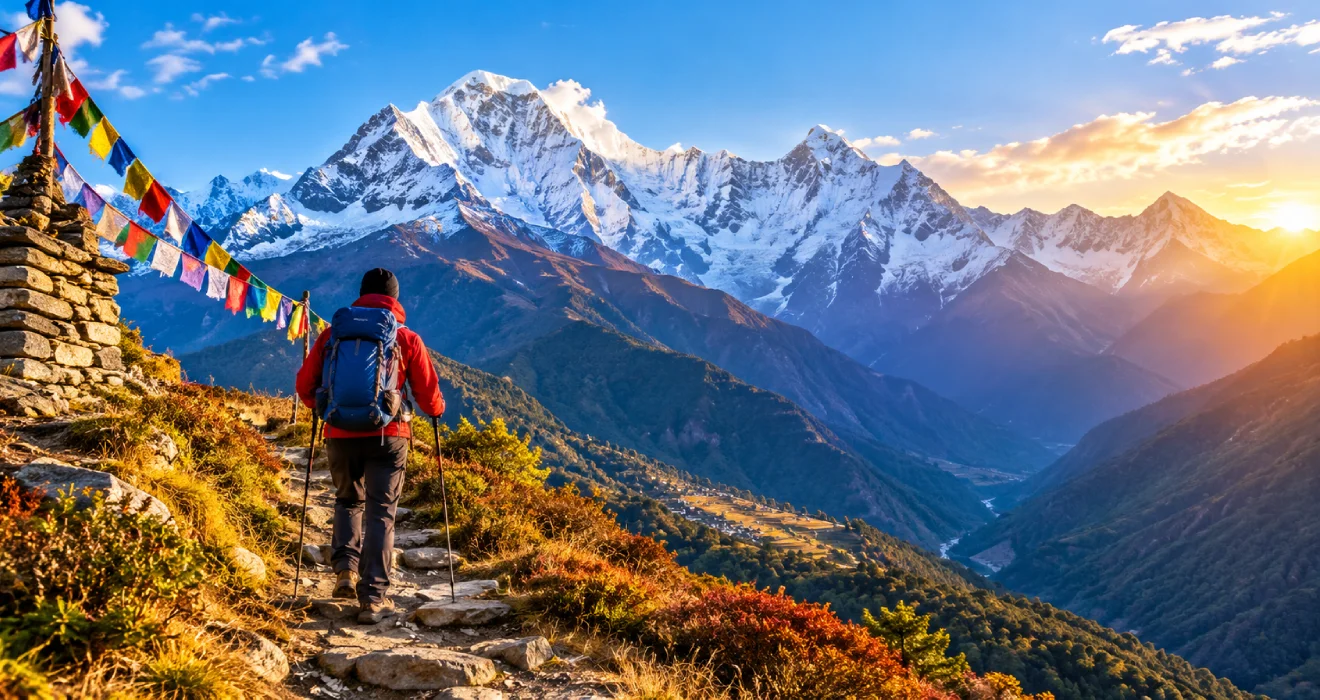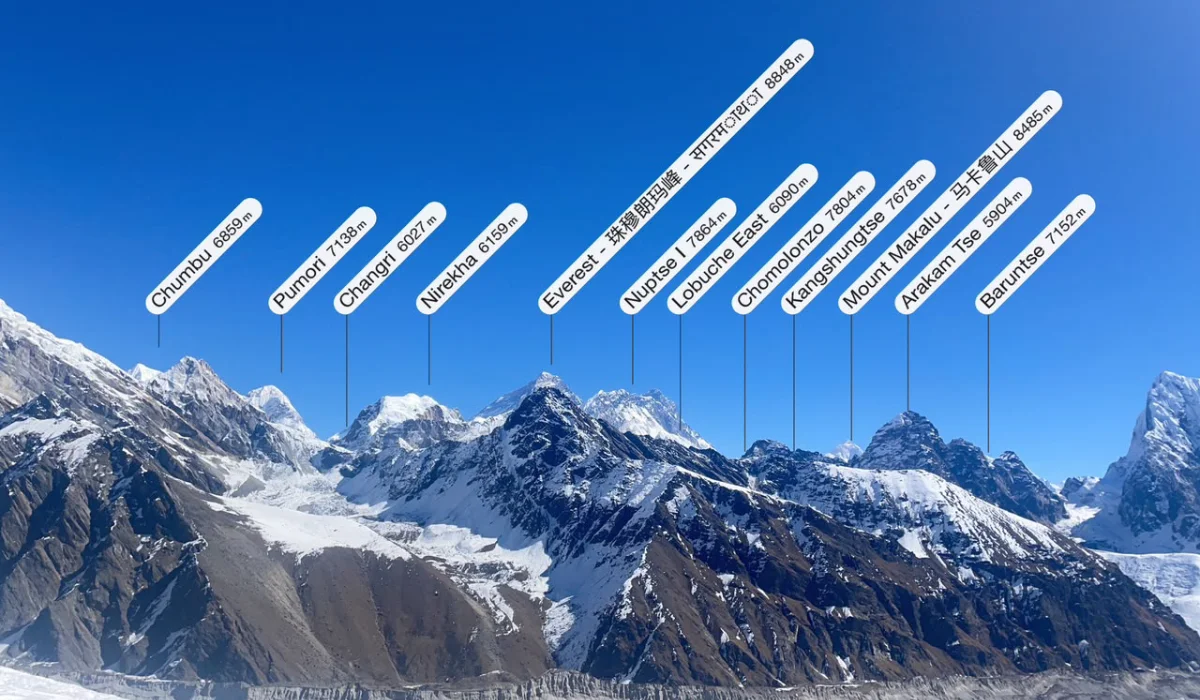

Short Annapurna Base Camp Trek invites you to hike the Himalayas.
The Short Annapurna Base Camp trek is an incredible journey that transports trekkers directly into the Annapurna Sanctuary. This short express trek is the mini version of the traditional Annapurna Base Camp trek and is designed for time-challenged backpackers craving adventure. A 5 to 7 day lovely Himalayan Trek, excellent view of the Himalayas, changing terrains, and a good experience of local culture, and it is good for moderate level of fitness trekkers.': 0.0048922119140625, '5 to 7 Days, a beautiful trek in the Himalaya, great view of the Himalaya plane, changing terrains, good cultural experience, moderate level of fitness required for this trek. In this ultimate guide, we are going to take a look at everything you ever wanted to know about the Short Annapurna Base Camp Trek,k including the itinerary and tips.
Why Short Annapurna Base Camp Trek?
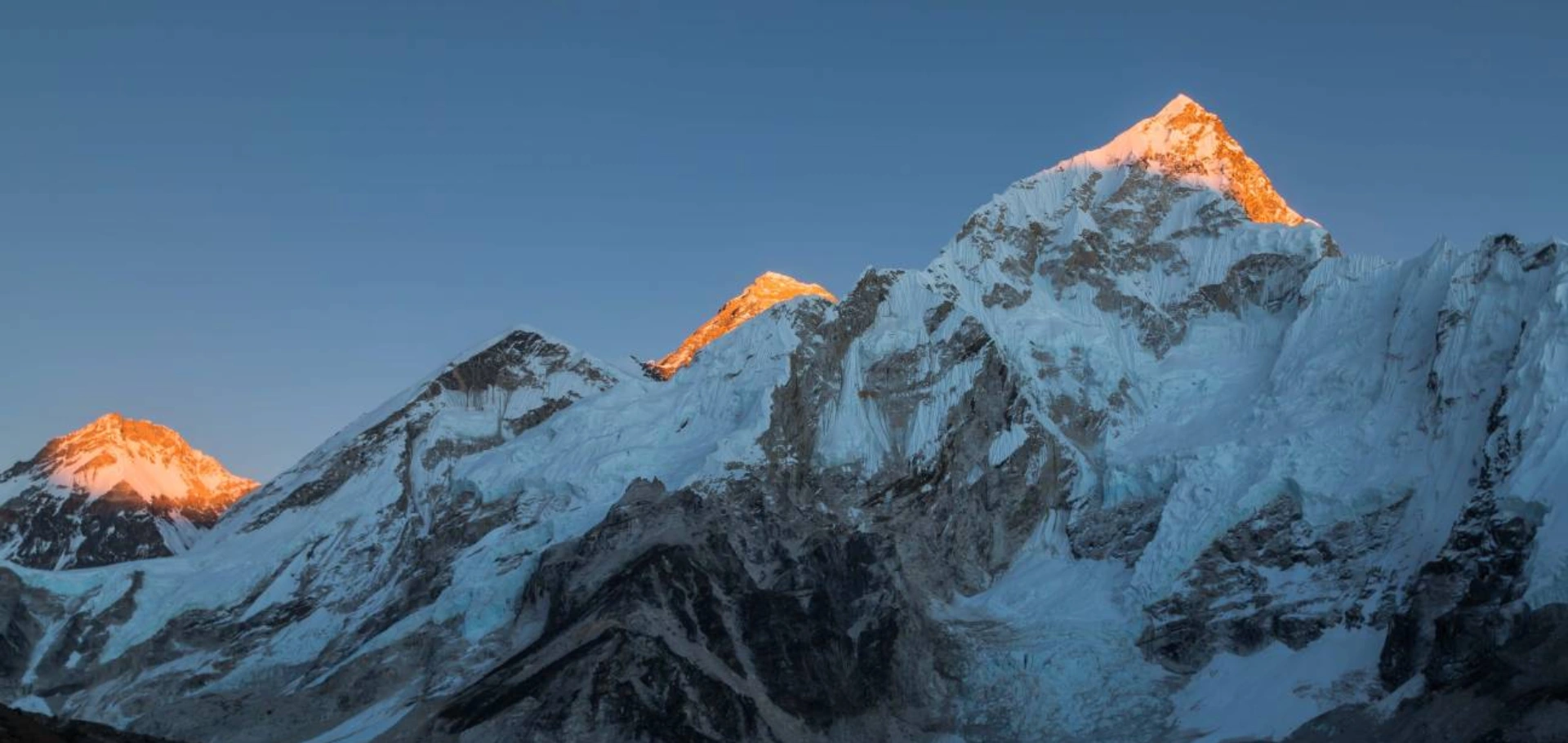
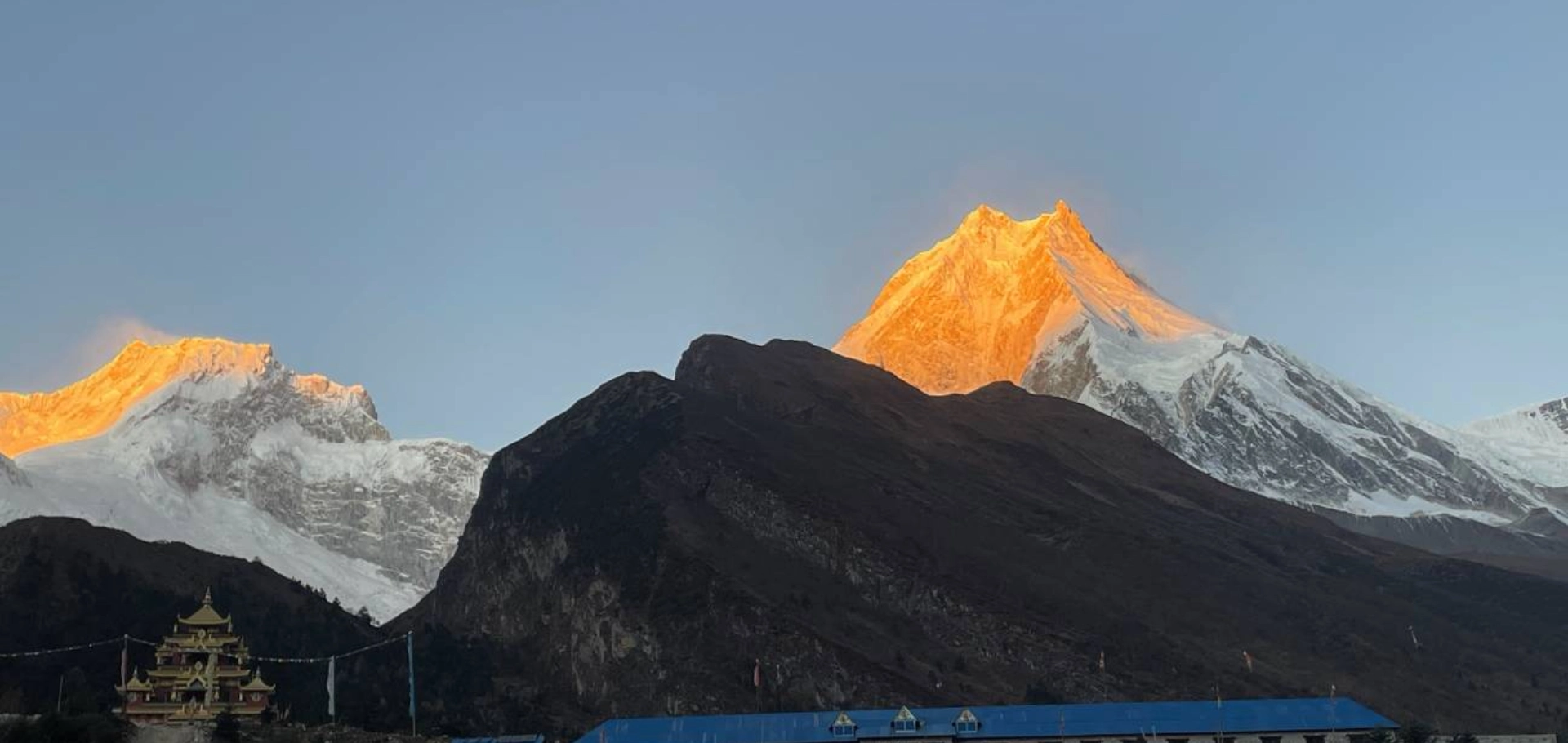
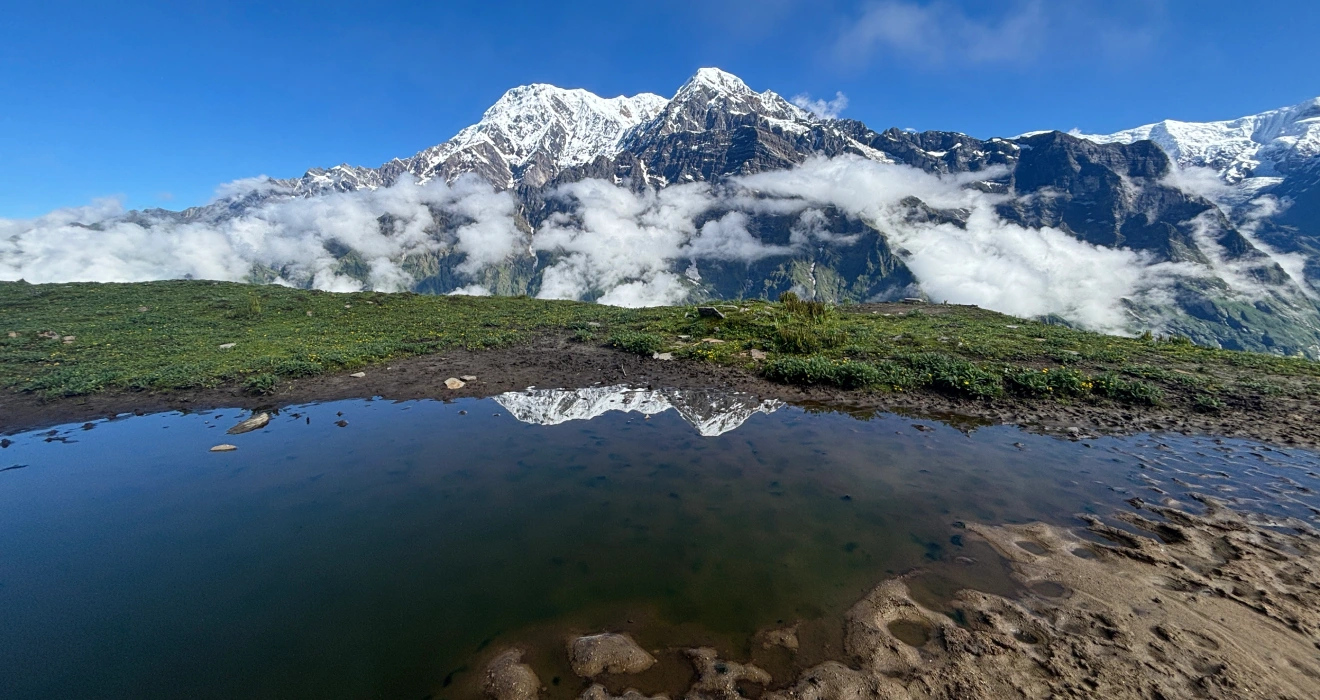
The Annapurna Base Camp Trek is one of Nepal's classic treks, celebrated for the mesmerizing sights of the snow-capped mountain peaks: Annapurna I (8,091m), Machapuchare (6,993m), and Dhaulagiri (8,167m), to mention a few. This shorter version of the trek is created for hikers who are in a hurry and have limited time but still would like to experience the epic beauty of the Annapurna Sanctuary without undertaking a longer 10-12 day version of the itinerary. Here is why we think the Short ABC trek is a cut above the rest:
- Short Treks and Time Efficient: Direct fit for those who are constrained on time; it can take you 5-7 days to complete the trek.
- 5- Scenic beauty: View of the Annapurna Massif, dense forest, and terraced fields.
- Cultural Immergence: Trek along the Gurung and Magar villages to explore the cultural traditions of the locals.
- Medium: For novices with a moderate fitness level and no technical climbing necessary.
- Reasonable Adventure: While less expensive than longer treks, such as Everest Base Camp.
If you are the one who hasn’t done trekking or are an experienced trekker, the Short Annapurna Base Camp Trek is absolutely a mix for both novices as well as for adventurers.
Short Annapurna Base Camp Trek in a nutshell
The starting and ending point of the Short Annapurna Base Camp Trek is usually Pokhara, an idyllic lakeside city that is the gateway to the Annapurna region of Nepal. The trek is 50-60 km (depending on start and end point) and reaches an altitude of 4130 meters (at Annapurna Base Camp). The path leads you through a wide range of scenes, from subtropical forests and rice paddies to alpine meadows and glacial moraine.
Key Highlights
- Annapurna Base Camp (4,130m): Immerse yourself at the foot of some of the highest peaks on the planet in the Annapurna Sanctuary.
- Machapuchare (Fishtail Mountain): Check out the off-limits sacred peak that locals believe its better left unclimbed.
- Hot Springs, Jhinu Danda: Natural hot spring to soothe your muscles after trek!
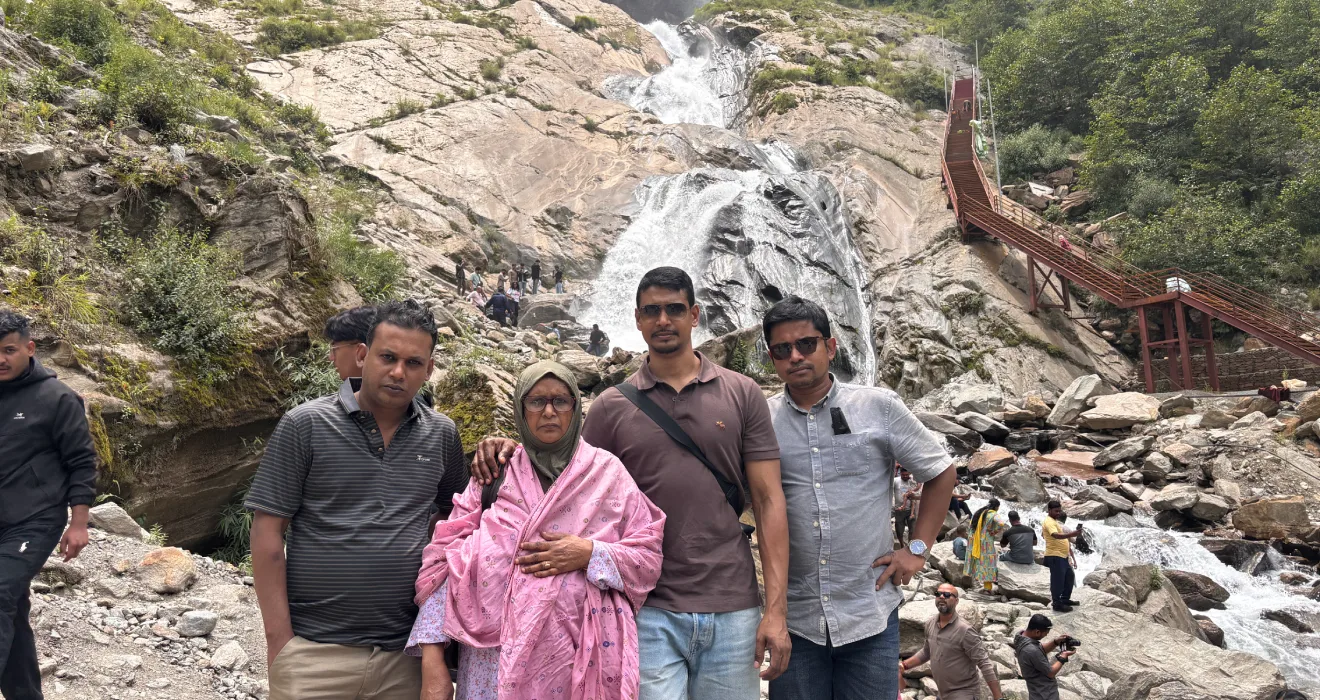
- Gurung Culture: Witness the hospitality and traditions of the village people Gurung and Magar.
- Sunrise Views: Enjoy stunning sunrise views over the Himalayas at different sections of hike.
Best Time to Trek
You can do the Short Annapurna Base Camp Trek in the best seasons:
- Spring (March to May): With moderate temperatures, rhododendrons in bloom and clear sky, this is the peak season.
- Autumn (September to November): The air is refreshing, the weather is stable and the mountain views are at their best.
- Winter (December through February): Cold temperatures but milder crowds. The trail could be covered with snow at some elevations.
- Monsoon (June to August): It isn’t advisable to visit in the monsoon season as heavy rainfall leads to slippery treks and risk of landslides.
Preparation and Packing Tips
Adequate preparation is the key to the success of a Short Annapurna Base Camp Trek. Here’s a guide to help you prepare:
Physical Preparation
- Fitness Level: The trek is on the moderate side, but you should train four to six weeks in advance with cardio work, such as hiking, running, or biking.
- Acclimate: Practice breathing techniques to acclimate to high altitudes.
- Health Check: Consult a physician if in doubt.
Packing List
- Clothing: Dress in layers (wicking base layers, fleece and waterproof jacket), wear sturdy trekking boots, hat, gloves and sunglasses.
- Gear: A 30-40L backpack, pole sticks, a sleeping bag (for colder months) and a reusable bottle of water.
- The basics: First aid kit, water sterilization tablets, sunscreen, lip protector and a headlamp.
- Papers: Passport, permits, and travel insurance.
Permits Required
- Annapurna Conservation Area Permit (ACAP): Around Rs. USD 30.
- Trekkers’ Information Management System (TIMS) Card: Around 1 hr. USD 20.
Cultural and Environmental Considerations
The Annapurna region is inhabited by Gurung and Magar people, known for their genuine hospitality. Respect local customs by:
- Dress Modestly: Shoulders and knees covered, especially in the villages.
- Permission: Always ask permission before shooting moments with human beings or sacred sites.
- Green Efforts Supporters: Just say no to plastic, stay on the path, and keep wildlife wild.
Challenges and Safety Tips
Despite the ease of the Short Annapurna Base Camp Trek, it presents the following challenges:
- Altitude Sickness: Take it easy and stay hydrated. If you experience symptoms like headaches or nausea, descend at once.
- Weather: The weather can change quickly, especially at high altitudes.
- Trail Conditions: There are portions that are both steep and slippery, so bring trekking poles for steadiness.
Safety Tips:
- Employ a registered guide or porter for guidance and support.
- Bring a simple first aid kit and note where the nearest health post is located.
- Tell family or friends where you plan to go.
Cost Details of The Short Annapurna Base Camp Trek
- Price of the trek The fare of the trek depends on whether you hike on your own or whether you want to go with a trekking agency. A rough estimate:
- Guided Trek: USD 500-800 (permits, guide, porter, accommodation, and meal costs).
- Independent Trek: $600-900 USD (permits, teahouses or homestays, food, and transportation).
- Extra Costs: Flight or bus to Pokhara, personal equipment, and gratuities to guides/porters.
Why the Annapurna Base Camp Short Trek is Worth the Distance
Thus, the Short Annapurna Base Camp Trek is an incredible opportunity to experience the beauty of the Himalayas within a limited period. With a stunning base in one of the most beautiful places on earth, Machapuchare and the enigmatic atmosphere of the town of Ghandruk, this trip is full of awe-inspiring moments. From adventure to immersion in culture, it's never dull on this trek.
Call to Action: So, are you ready to start your journey to the Trek | Short Annapurna Base Camp Trek? Make a booking with an excellent trekking company and pack your bags, you’re about to discover the Himalayas! If you have questions, feel free to leave a note, or subscribeand we can give you any help you might need.